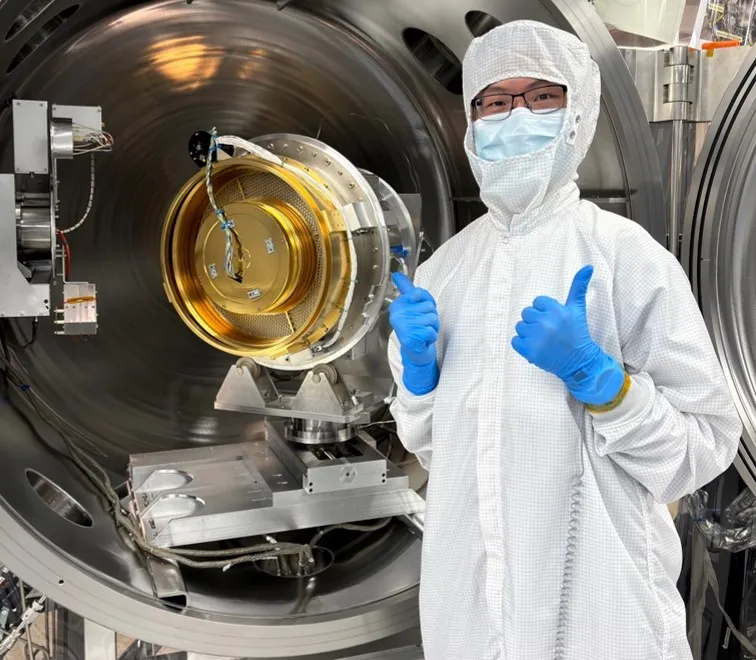
恭賀! 本中心立方衛星審查委員,沈明學博士參與 NASA IMAP 任務成功發射!
太陽風持續向外吹拂,形成稱為太陽圈(heliosphere)的巨大保護泡,庇護地球與行星免受大部分高能宇宙射線影響。NASA 的 IMAP(Interstellar Mapping and Acceleration Probe)任務,將進一步探索太陽圈邊界與太陽風和星際介質的交互作用。
任務背景
自 2008 年起,NASA 的 IBEX 任務首次以能量中性原子(ENA)描繪太陽圈整體結構,並發現著名的 IBEX Ribbon。然而 IBEX 在能量範圍與空間解析度上仍有限,許多關鍵問題尚待解答。IMAP 將以更高解析度、更多儀器配置與更快更新頻率接棒,解析太陽圈形成機制與粒子加速過程。
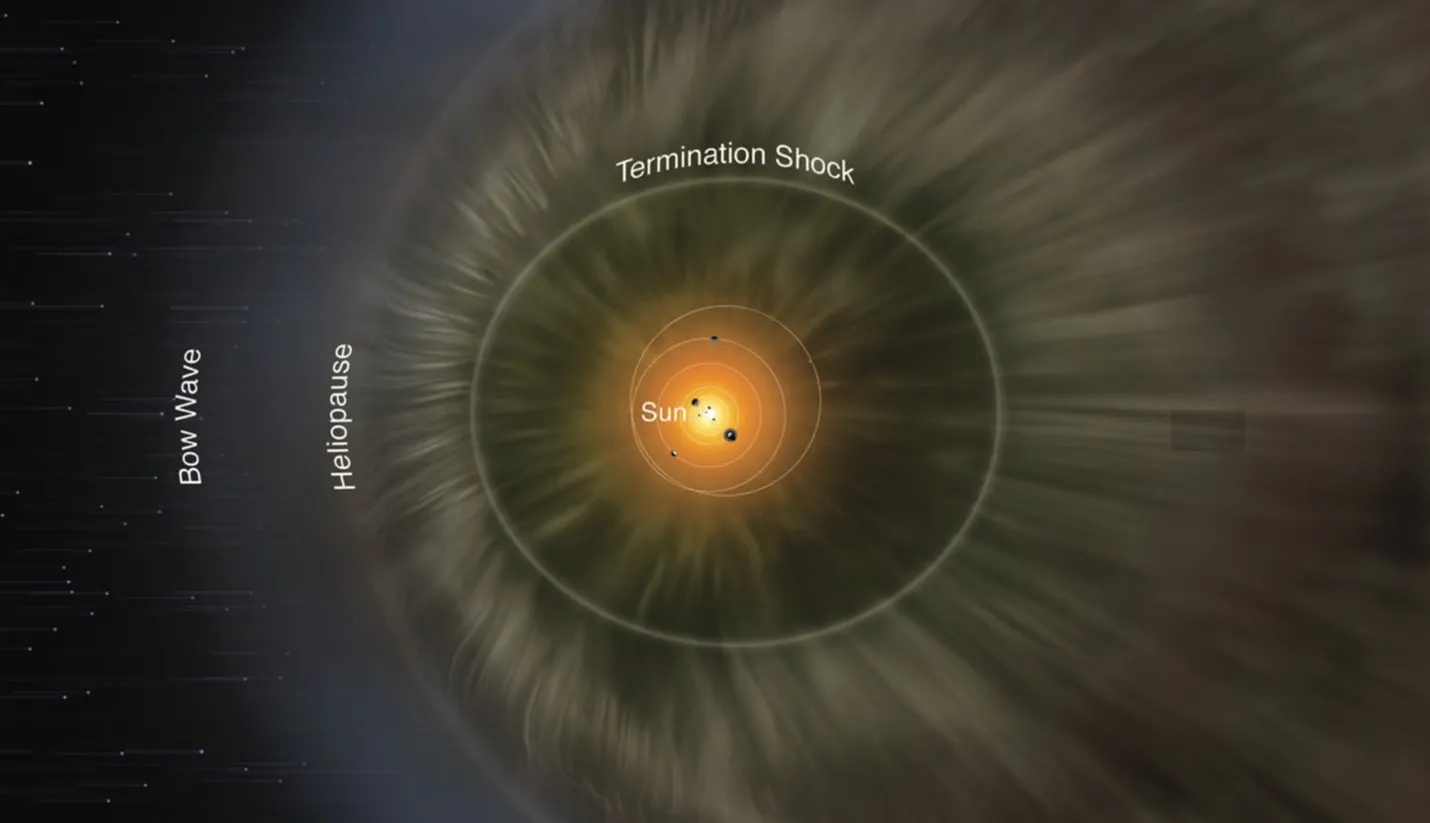
Image Credit: NASA/IBEX/Adler Planetarium
四大科學核心目標
- 深入研究本地星際介質(LISM)的成分與特性。
- 解析太陽風與星際介質交互作用區域的時空演化。
- 研究太陽磁場與本地星際介質交互作用機制。
- 研究太陽附近、日球層與日鞘內粒子注入與加速過程。
這些成果不僅有助於回答基礎太空物理問題,也能提升未來太空環境預測能力,對深空任務安全具有關鍵意義。
發射與任務配置
IMAP 於 2025 年 9 月 24 日由 SpaceX Falcon 9 自佛羅里達發射,將前往日地系統 L1 拉格朗日點(約距地球 150 萬公里)。任務規劃至少 2 年科學運作期,並具延長潛力。衛星搭載 10 種儀器,包括 IMAP-Lo、IMAP-Hi、IMAP-Ultra、SWAPI、CoDICE、HIT、SWE、IDEX、MAG 與 GLOWS。
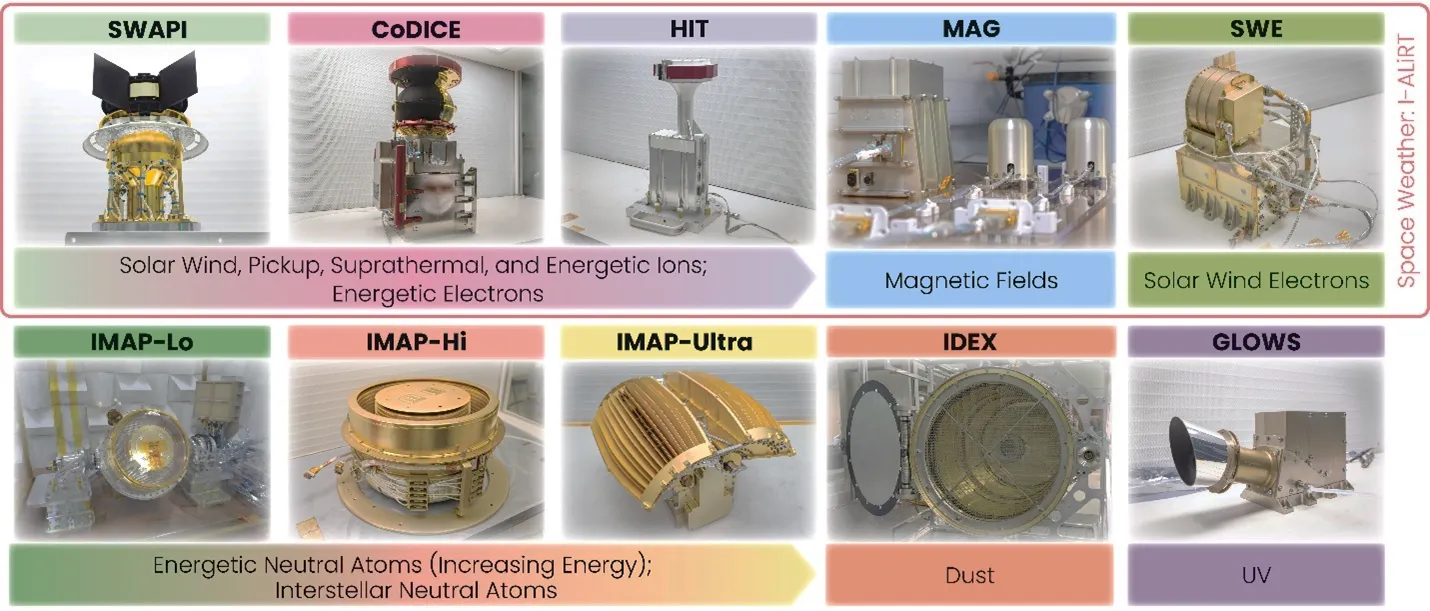
Interstellar Mapping and Acceleration Probe: The NASA IMAP Mission (McComas et al., 2025)
沈明學博士的參與與貢獻
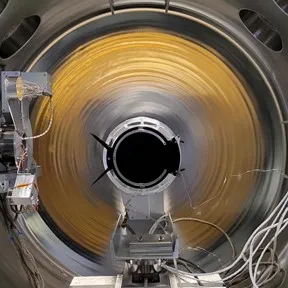
成大畢業的沈明學博士長期研究太空電漿、宇宙塵埃、高能粒子與日球層物理,現任普林斯頓大學太陽物理實驗室副研究員。在 IMAP 任務中,他擔任 IMAP-Lo 儀器副領導,並參與 SWAPI 科學團隊(前儀器校正負責人),為任務科學與儀器校正提供重要貢獻。
國際合作與里程碑
此次成功發射象徵國際太空合作的又一里程碑,也展現臺灣科學家在全球太空研究中的專業影響力。透過沈明學博士等優秀研究人員的參與,臺灣在推進太陽物理與太空科學知識方面持續扮演關鍵角色。
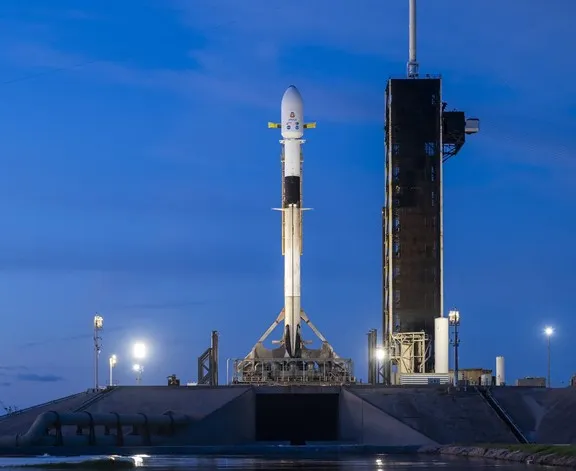
圖片來源:SpaceX
Congratulations! Dr. Ming-Hsueh Shen Contributed to the Successful NASA IMAP Launch
The solar wind flows outward continuously, forming the heliosphere, a vast protective bubble that shields Earth and other planets from much of the high-energy cosmic radiation in the galaxy. NASA’s IMAP (Interstellar Mapping and Acceleration Probe) mission will further investigate the heliosphere boundary and the interaction between the solar wind and the local interstellar medium.
Mission Background
Since 2008, NASA’s IBEX mission has mapped the global heliosphere structure using energetic neutral atoms (ENAs) and discovered the well-known IBEX Ribbon. However, IBEX had limitations in energy range and spatial resolution. IMAP succeeds IBEX with higher resolution, broader instrumentation, and faster observation updates to address major open questions in heliophysics.
Image Credit: NASA/IBEX/Adler Planetarium
Four Core Science Objectives
- Characterize the composition and properties of the Local Interstellar Medium (LISM).
- Understand the temporal and spatial evolution of the solar wind–interstellar interaction region.
- Investigate interaction processes between the solar magnetic field and the local interstellar medium.
- Study particle injection and acceleration near the Sun, within the heliosphere, and in the heliosheath.
These outcomes will help resolve foundational physics questions and improve forecasting of the space environment, which is essential for future deep-space mission safety.
Launch and Mission Configuration
IMAP launched on September 24, 2025, aboard a SpaceX Falcon 9 from Florida and is heading to the Sun–Earth L1 Lagrange point (about 1.5 million km from Earth). The mission is designed for at least two years of science operations, with potential extension. IMAP carries 10 instruments, including IMAP-Lo, IMAP-Hi, IMAP-Ultra, SWAPI, CoDICE, HIT, SWE, IDEX, MAG, and GLOWS.
Interstellar Mapping and Acceleration Probe: The NASA IMAP Mission (McComas et al., 2025)
Dr. Shen’s Role and Contribution
Dr. Ming-Hsueh Shen, an NCKU alumnus and current Associate Research Scholar at Princeton Space Physics Laboratory, has long worked in space plasma, cosmic dust, energetic particles, and heliospheric physics. In the IMAP mission, he serves as Deputy Lead of the IMAP-Lo instrument and as part of the SWAPI science team (formerly calibration lead), making important contributions to mission science and instrument calibration.
A Milestone in International Collaboration
This successful launch marks another milestone in international space collaboration and highlights the influence of Taiwanese scientists in global space research. Through the contributions of researchers such as Dr. Shen, Taiwan continues to play an important role in advancing heliophysics and space science.
Image Source: SpaceX